Overview
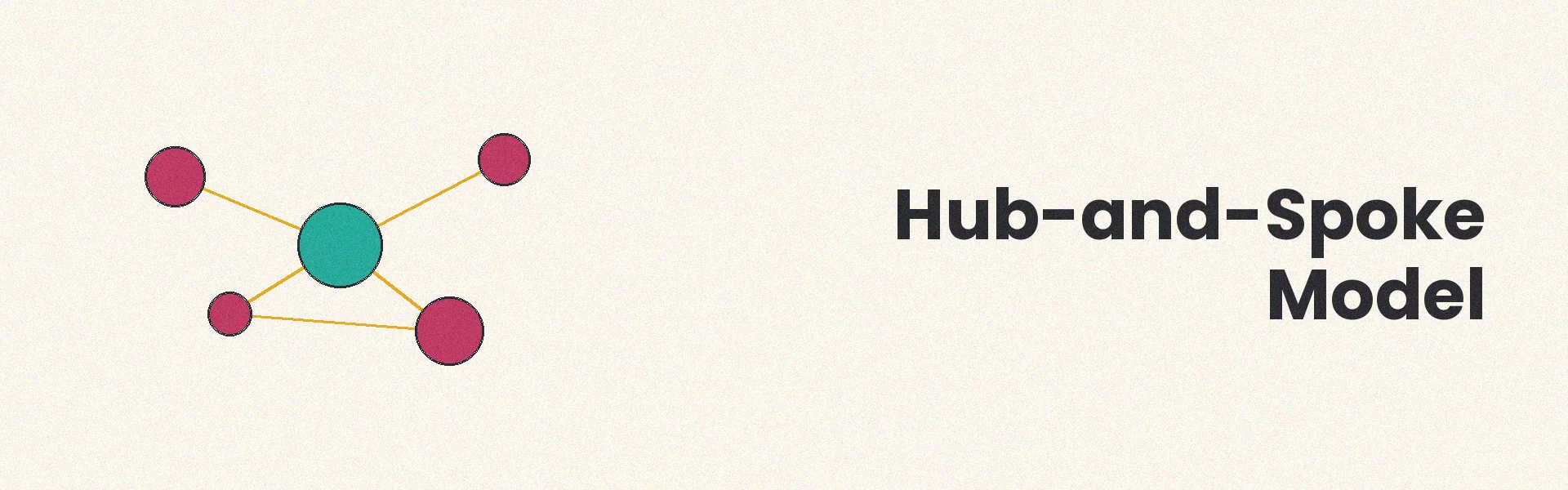
Hub-and-spoke models provide organizational frameworks for programmatic SEO content strategy. The hub represents a central pillar page covering broad topics. The spokes represent cluster pages focusing on related subtopics, all connecting to the central hub. This architectural model creates efficient topical authority by establishing clear structural relationships between content pieces. Rather than scattered pages with unclear relationships, hub-and-spoke structures communicate topical coherence to search engines and users. The efficiency comes from systematic organization reducing redundancy while maximizing topical coverage.
Hub-and-spoke models scale efficiently because the structure remains consistent across multiple topic domains. You can implement hub-and-spoke architectures for dozens of topic domains simultaneously, each with unique hubs and spokes but consistent structural patterns. This consistency enables systematic content planning, template-based creation, and scalable management. Programmatic SEO strategies often implement hub-and-spoke models as their core organizational principle, enabling scaling to thousands of content pieces while maintaining coherent topical authority structures.
Why Choose Hub-and-Spoke Model?
Understanding hub-and-spoke model is crucial for building effective programmatic SEO campaigns. This knowledge helps you develop better content requirements, optimize your technical implementation, and create scalable page templates that rank well in search results.
By mastering hub-and-spoke model, you'll improve your ability to conduct SERP analysis, build topical authority, and implement effective internal linking strategies. These skills are foundational for anyone serious about programmatic SEO success.