Overview
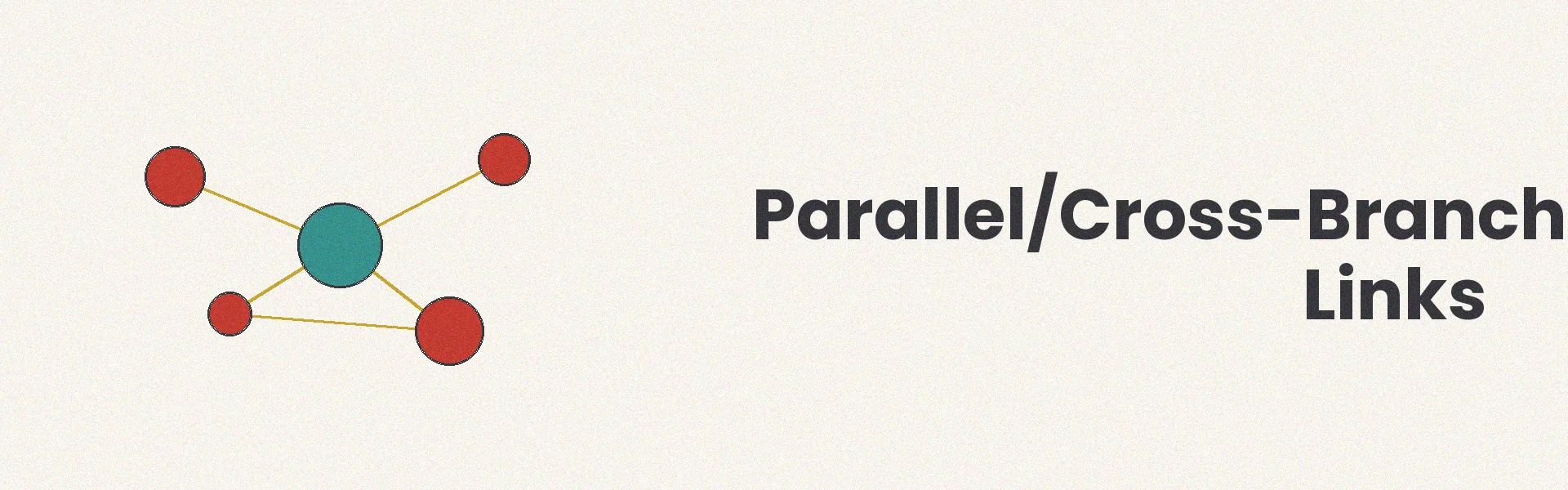
Cross-branch linking connects pages across different parts of your taxonomy regardless of hierarchical position, creating thematic clusters that reflect real-world topic relationships. Unlike sibling links (same level, same parent) or cousin links (same level, different parent), cross-branch links can span multiple hierarchical levels while connecting genuinely related content. These links are most valuable when pages in different branches address variations of the same core topic or provide complementary information. In programmatic SEO, cross-branch linking is often generated based on semantic similarity, shared keywords, or explicit relationship mappings.
Effective cross-branch linking uses anchor text that clearly explains the topical relationship between pages. The most valuable implementations connect pages that users would genuinely find useful to visit together, creating thematic clusters that provide comprehensive coverage of complex topics. Cross-branch linking helps search engines understand sophisticated topic relationships that go beyond simple hierarchical structure. In programmatic SEO, systematic cross-branch linking based on content similarity or relationship data creates highly interconnected networks where users and crawlers can navigate effectively across the entire content landscape.
Why Choose Parallel/Cross-Branch Links?
Understanding parallel/cross-branch links is crucial for building effective programmatic SEO campaigns. This knowledge helps you develop better content requirements, optimize your technical implementation, and create scalable page templates that rank well in search results.
By mastering parallel/cross-branch links, you'll improve your ability to conduct SERP analysis, build topical authority, and implement effective internal linking strategies. These skills are foundational for anyone serious about programmatic SEO success.